Hardwood Sports Flooring: Durability & Performance Guide
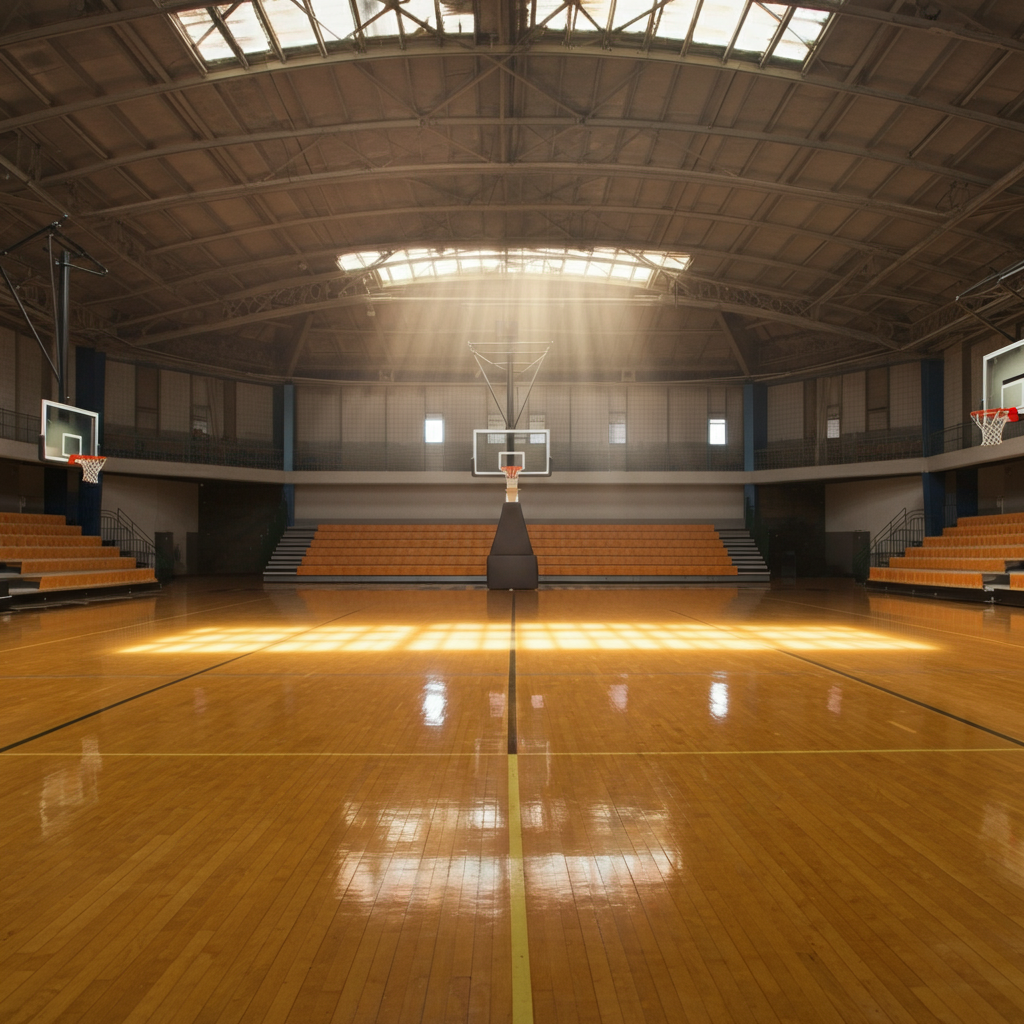
Choosing the right flooring is one of the most important decisions when designing or renovating a sports facility. The surface underfoot directly impacts athlete performance, safety and the long-term viability of the venue. While there are many synthetic material options, hardwood sports flooring remains the undisputed gold standard for gyms and indoor courts. The unique combination of durability, shock absorption and natural feel provides an unmatched surface for competitive gaming.
Hardwood has long been a top choice for professional basketball courts, university gymnasiums, and high-performance training centers. This preference is not simply based on tradition; this is rooted in the material’s inherent properties that enhance athletic performance while ensuring durability. This guide will explore the many advantages of hardwood, its contribution to athlete safety, and the factors that make it a cost-effective, long-term investment for any major sports facility.
Advantages of Hardwood Over Synthetic Alternatives
When selecting a surface for a sports field, decision makers often consider hardwood over synthetic options such as rubber, PVC, or polyurethane. While synthetic materials may offer lower initial costs, hardwood provides superior long-term value and performance.
The main advantages of high performance wood flooring include:
- Excellent Durability and Shock Absorption: Hardwood floors, especially when installed with a high-quality subfloor system, offer optimal shock absorption. This reduces the impact on the athlete’s joints, minimizes the risk of stress injuries, and reduces fatigue during competitions or long training sessions.
- Consistent Ball Bounce: For sports like basketball, a uniform and predictable bounce of the ball is essential for fair play. Hardwood provides a consistently firm and flat surface, ensuring predictable ball response throughout the course.
- Natural Shades and Footings: Athletes often prefer the natural grip and feel of wood underfoot. Well-finished athletic wood flooring provides the ideal balance between slide and grip, allowing controlled movements, pivots and quick changes of direction without excessive tension.
- Unrivaled Durability: A common misconception is that hardwood is less durable than synthetic wood. However, high-quality gym flooring is specifically designed for high-impact use. With proper care, hardwood sports fields can last for decades, and outlast synthetic surfaces several times over.
Synthetic flooring, on the other hand, can break down over time, leading to inconsistent performance and a higher risk of injury. They may also become too sticky or slippery, compromising athlete safety.
Improving Athletic Performance and Safety
The quality of an athletic performance floor is directly related to an athlete’s health and success. Hardwood is designed to create the optimal environment for peak performance. The floor’s ability to absorb shock while providing strong support allows athletes to jump higher, run faster and play longer with reduced physical strain. This energy return is the main characteristic that differentiates durable gym floors from softer, less responsive surfaces.
From a safety standpoint, hardwood offers significant advantages:
- Injury Prevention: The shock-absorbing properties of a well-designed hardwood flooring system can significantly reduce the incidence of common sports injuries, such as shin splints, stress fractures, and joint pain.
- Slip Resistance: A professional grade finish is applied to hardwood sports flooring to achieve a specific coefficient of friction. This ensures the athlete has adequate grip for explosive movements while still allowing for a controlled slide, preventing slips and falls.
- Uniformity: Unlike modular synthetic tiles that have seams or uneven spots, hardwood courts offer a smooth, uniform playing surface, eliminating tripping hazards.
The Science Behind Durable Hardwood Sports Flooring
The durability of hardwood sports flooring is no coincidence; this is the result of careful material selection, advanced engineering, and precise installation techniques. Several factors contribute to the longevity of this high-performance surface:
- Wood Species: Maple is the most commonly used wood for sports flooring because of its high density, strength, and light color, which provides excellent contrast for the lines of play. Its dense grain structure does not break easily and is resistant to heavy and repeated impacts.
- Completion Technique: Modern gym floor finishes are designed to protect the wood from moisture, abrasions and UV rays. This polyurethane coating creates a long-lasting protective layer that maintains the integrity and aesthetic appeal of the wood while providing necessary slip resistance.
- Subfloor Construction: The subfloor is a critical component of any sports flooring system. The advanced subfloor design combines elastic padding, sleepers and layers of plywood to increase shock absorption, provide dimensional stability and ensure a uniform playing surface.
An alternative to traditional solid wood is VmkonSport Biomass Macwood flooring. This innovative material offers the aesthetic and performance qualities of natural wood but with enhanced durability and sustainability features, providing another excellent choice for modern sports facilities.
Real World Success: The Top Level Athletic Environment
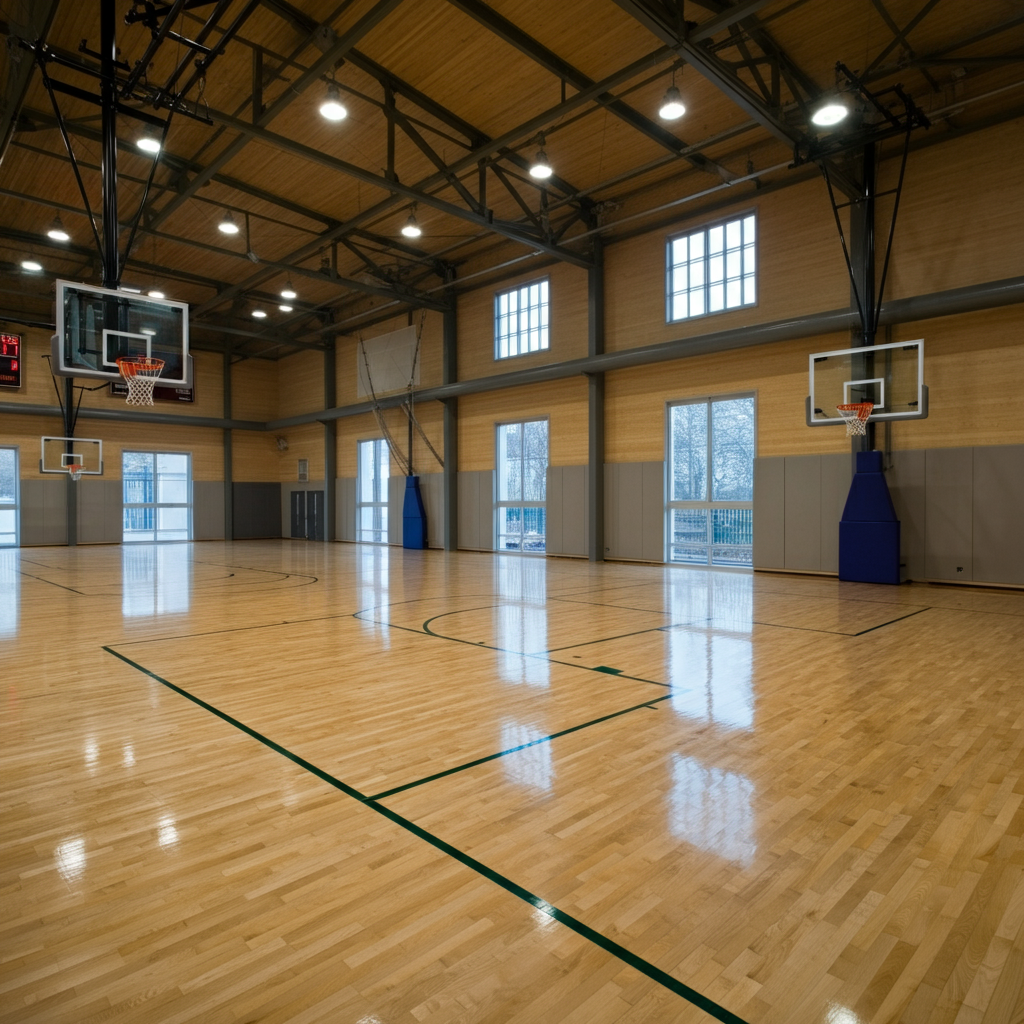
The prevalence of hardwoods in elite sporting venues attests to this. Iconic NBA courts, competitive NCAA basketball arenas, and leading multi-sport facilities around the world largely choose hardwood. These organizations invest in high-performance hardwood flooring because they understand the connection between a quality playing surface and the success of their athletes. By providing a safe, consistent and reliable surface, this facility empowers athletes to perform at their best.
Maintaining Your Investment
To maximize the life and performance of hardwood sports flooring, a consistent maintenance routine is essential.
- Daily Cleaning: Mopping the floor daily will remove dirt and abrasive grit that can scratch the finish.
- Regular Deep Cleaning: Use an automatic scrubber with a recommended cleaning solution to remove sweat and scuff marks. Avoid using excessive water because it can damage the wood.
- Annual Screening and Recoating: Once a year, the floor should be lightly scraped (screened) and given a new layer. This process restores the floor’s grip and protective coating without the need for full sanding.
- Full Enhancement: Every 8-12 years, the floor should be sanded to bare wood, repainted with play stripe, and covered with several coats of finish. This returns the floor to like-new condition.
Long-Term Cost and Value Considerations
While the initial installation cost of hardwood sports flooring may be higher than some synthetic options, its long-term cost effectiveness is superior. A well-maintained hardwood floor can last for 50 years or more, whereas many synthetic floors need to be replaced every 10-15 years. When considering replacement costs, hardwood proves to be a more economical investment over the life of a facility.
Additionally, beautiful hardwood courts enhance the aesthetic appeal and perceived value of a gymnasium. This creates a professional and inspiring environment that can attract events, athletes and spectators, thereby contributing to the facility’s overall revenue and reputation.
Hardwood Sports Flooring Technology Innovation
The technology behind hardwood sports flooring continues to evolve. Recent advances include:
- Eco-Friendly Finish: Water-based finishes with low VOC (Volatile Organic Compound) are now available, offering excellent durability with a lower environmental impact.
- Advanced Underfloor Systems: The new subfloor design provides better shock absorption and dimensional stability, further improving athlete safety and performance.
- Sustainable Materials: Many manufacturers now offer flooring sourced from sustainably managed forests, thereby ensuring environmental and ecological sustainability.
Make the Right Choice for Your Facility
Choosing the right flooring is a fundamental decision for any sports facility. Hardwood sports flooring provides an unmatched combination of durability, safety and performance that synthetic alternatives cannot match. Its proven longevity, coupled with its contribution to athletic excellence and aesthetic appeal, makes it the wisest investment for any organization committed to creating a top-level athletic environment.
By prioritizing quality and performance, you provide your athletes with the best surface to train and compete on, ensuring your facility remains a top destination for years to come.
News
Berita
News Flash
Blog
Technology
Sports
Sport
Football
Tips
Finance
Berita Terkini
Berita Terbaru
Berita Kekinian
News
Berita Terkini
Olahraga
Pasang Internet Myrepublic
Jasa Import China
Jasa Import Door to Door