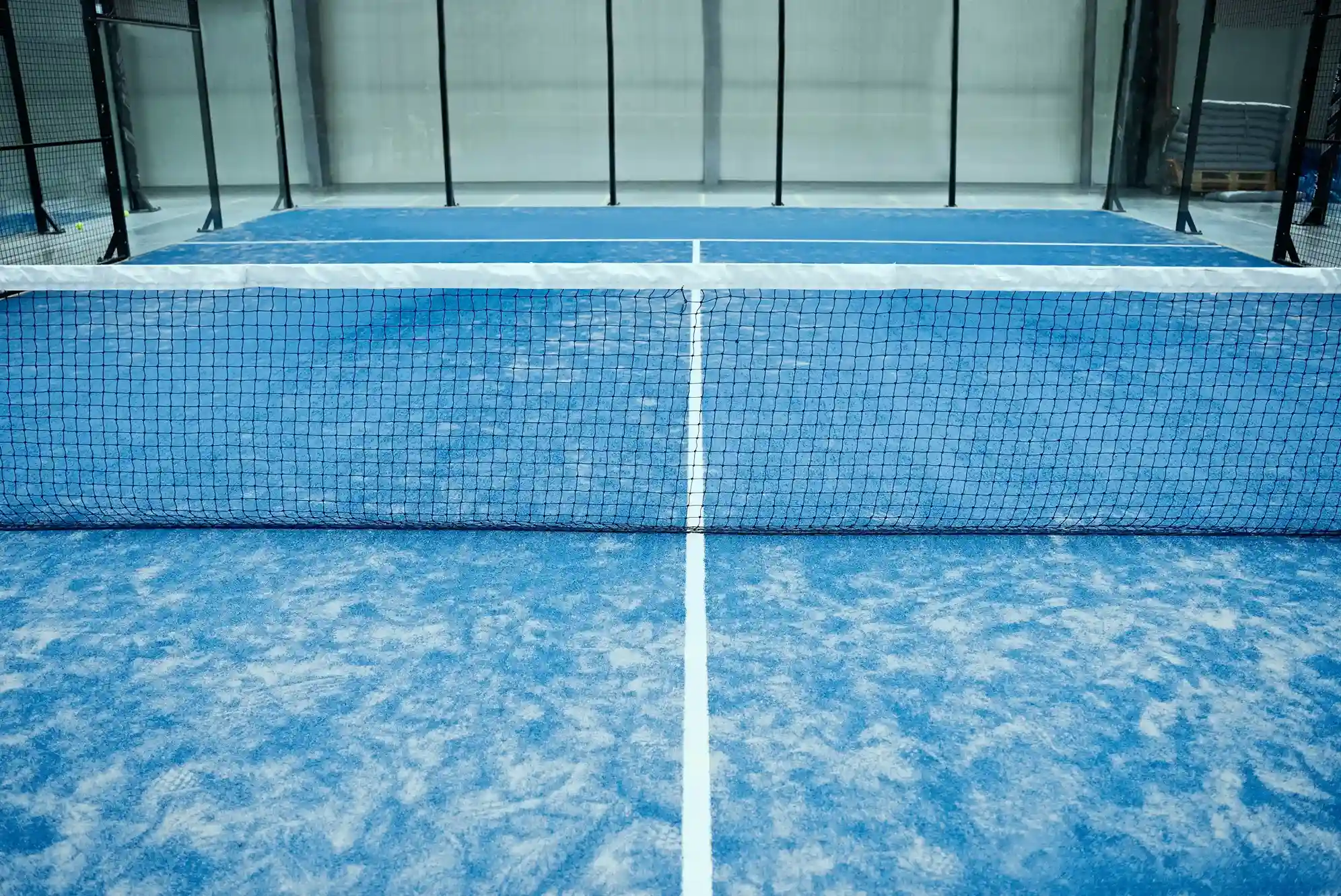
Top 5 Outdoor Flooring Options for Pickleball
Pickleball is more than just a trend. It is one of the fastest growing sports in the world, loved by children, adults and seniors. With that growth comes a big question for many players, schools, clubs and homeowners: What kind of surface should I use for my Pickleball court?
Choose the right one outdoor floor can affect everything from the bounce of the ball to the way your knees feel after a few hours of play. This also impacts how long your court lasts and how much time you spend maintaining it.
So, what outdoor flooring materials are best for Pickleball courts? Let’s break down the top five options and help you figure out which one is right for your room and playing style.
Why Outdoor Flooring is a Game Changer for Pickleball Courts
Outdoor Pickerball courts face challenges that indoor courts do not. Rain, heat, cold, and constant sunlight can damage surfaces quickly. That’s why choosing the right outdoor flooring is so important. It’s not just about the looks. It’s about how it performs under pressure.
Your court surface impacts player safety, quality of play, and long-term durability. Floors that are too hard can cause injury. If it is too soft or uneven, it will affect the bounce and speed of the ball. That’s why every court owner or builder should take the time to explore their options before making a decision.
Ready to explore your options? Let’s start with one of the most popular and modern solutions.

1. Modular Court Tiles: The Most Versatile Outdoor Flooring Option
Modular court tiles are a favorite among many Pickball players and facility owners. These are interlocking tiles made from strong plastic materials such as polypropylene. They can be installed over concrete or asphalt and are built to last.
Benefits of Modular Tiles
Modular tiles are known for their quick installation. You don’t have to wait days or weeks for the surface to dry or harden. Once your base is level, the tiles will snap together and you’re ready to play.
They are also great in all weather conditions. Small holes in the design allow water to drain, so puddles don’t slow you down after it rains. They are UV stable, meaning their color remains bright and fresh even after years of exposure to sunlight.
Another major benefit is player security. These tiles provide shock absorption, meaning less stress on knees and joints. That’s important for older players or anyone who plays regularly.
Where They Work Best
Modular tiles are perfect for professional courts and backyards. They are popular in schools, sports clubs, community centers, and even private homes. If you want a quick, clean, and easy-to-maintain option, this could be the best outdoor flooring for your Pickerball court.
Companies like VMKON offer custom modular court tiles designed specifically for pickleball. This court is built for traction, ball bounce, and long-term use—perfect for anyone looking to install a quality court.
But what if you prefer something more traditional?
2. Acrylic Coated Surface: Classic Court Look
When most people imagine a tennis or pickle ball court, they imagine a smooth surface painted green or blue. The surface is usually acrylic. An acrylic coating is applied over asphalt or concrete to create a clean, professional appearance.
Performance and Durability
Acrylic surfaces offer good ball bounce and consistent speed, which is why they are used on many tournament-level courts. They are also customizable. You can customize the texture and choose the exact color you want for your courtyard.
However, these surfaces may be more fragile than they appear. Cracks may appear over time due to weather changes or poor base preparation. Repairs can be expensive, and resurfacing is necessary every few years to keep the field looking and playing its best.
Maintenance Considerations
Care is key for acrylic courts. Regular cleaning and checking for cracks or fading is important. You also need a well-prepared base. If the concrete or asphalt underneath is uneven, the acrylic can wear out more quickly.
So, while this type of outdoor flooring is great for performance and appearance, it requires regular care and maintenance.
Looking for something simpler and more budget friendly? Let’s talk about asphalt.
3. Asphalt: Budget-Friendly Outdoor Flooring
Asphalt is one of the most affordable base materials used in outdoor sports fields. Usually used for basketball and tennis courts, and also used for pickball.
Pros and cons
The main advantage of asphalt is the price. It’s cheap, easy to install, and covers large areas quickly. You can play with it as is or add a surface like acrylic or tile on top.
However, asphalt alone is not ideal for long-term pickball games. It is a hard surface with little or no shock absorption. This can be hard on the player’s joints. This material will also break down over time, especially in areas with heavy rain, snow, or hot sun.
Best Use Cases
Asphalt is suitable for high-use community or recreational fields. If you’re working on a limited budget and need a pitch that can get the job done, asphalt is a good starting point.
But if you want a surface that lasts longer or feels more comfortable to walk on, you may want to explore other outdoor flooring options.
This brings us to another solid option: concrete.

4. Concrete: A Sturdy Foundation for Long-Term Use
Concrete is a strong and durable material that is often used as a base material for other types of field surfaces. But it can also be used on its own as a playing surface.
Ideal for Permanent Setup
If you’re building a court that wants to last for 20 years or more, concrete is a strong candidate. It is very stable and can handle heavy use.
You can leave it blank or add a surface finish such as acrylic or tile. It is also a great base for modular pitch tiles, especially in areas where weather can cause ground shifting.
Considerations for Screening
Concrete is hard, meaning it provides little shock absorption. This can be a problem for players who are often on the field or who have common concerns.
For best results, concrete should be paired with a surface that adds comfort and ease of play—such as modular tile. The combination gives you power and a better gaming experience.
Not a fan of hard surfaces? The next few people explored the grass.
5. Artificial Grass: A Soft but Unconventional Outdoor Flooring Option
Synthetic grass is not very common for pickball, but it is appearing on some backyard courts and multi-sport areas. It looks great and feels soft underfoot, but it comes at a cost.
Comfort Standards vs. Standards Competition
The grass is soft on the knees and easy to stand on for long periods of time. However, this is not ideal for serious gaming. The ball doesn’t bounce as well, and the movement feels slower.
Additionally, courts get hot in the summer and may not provide the grip needed for fast, competitive matches. Better for a fun casual game in the backyard or community center where many sports are played.
Is This Right for Pickleball?
If comfort is your top priority, and you’re not worried about the official standards of the course, grass may be worth considering. But if you plan to host serious games, tournaments, or practices, other outdoor flooring options will serve you better.
So with all these options, how do you know which one is best for you?
So… Which Outdoor Flooring Choice is Right for You?
Each material we discuss has its own advantages. If you are on a tight budget and only need a simple pitch, asphalt might work. If you are looking for a clean, professional court and don’t mind the maintenance, acrylic could be your choice.
But if you want long-term durability, easy installation, low maintenance, and player-friendly features, modular court tiles are often the top choice. Specifically for clubs, schools and homes, they offer a blend of performance and practicality.
Still deciding? Let’s take a closer look at one solution that meets all needs.
Why VMKON Outdoor Floor Tiles Stand Out
VMKON designs and manufactures state-of-the-art modular court tiles made specifically for Pickleball and other outdoor sports. These tiles aren’t just strong—they’re also smart.
Among them are shock absorption technology, anti-slip texture, fast drainage and resistance to UV rays. They’re also easy to install, whether you’re a contractor or a DIYer.
Schools, recreation centers and private homeowners around the world choose VMKON tiles because they offer reliable performance without the hassle. You don’t need to recoat them every few years, and they hold up in hot, cold, wet, or dry conditions.
For anyone building a field that is used frequently, in all seasons, this type of outdoor flooring can make a big difference.
Conclusion
Whether you’re building a community field, upgrading your facilities, or finally installing your dream field in your backyard, choosing the right outdoor flooring is one of the most important decisions you’ll make.
We hope this guide helps you understand your options, weigh the pros and cons, and feel more confident in your choice.
If modular tile sounds like the right fit—or if you just want expert advice—contact us at VMKON. Our team is happy to help you find the perfect outdoor court solution, whether you’re starting from scratch or upgrading an existing space.
News
Berita
News Flash
Blog
Technology
Sports
Sport
Football
Tips
Finance
Berita Terkini
Berita Terbaru
Berita Kekinian
News
Berita Terkini
Olahraga
Pasang Internet Myrepublic
Jasa Import China
Jasa Import Door to Door


