
Wood Vs Synthetic Sports Floor: Best Choice Guide
When planning, building, or renovating sports facilities, the initial aspects that come to mind often are equipment, seating, or maybe lighting. However, one of the important decisions that remains ignored at the beginning is the floor itself. The floor you choose can affect the way you do, security levels, long -term expenses, and appearance of how professional your facilities. The wooden floor has long been a conventional choice. However, in the modern world, Synthetic sports floor is a new alternative that is increasingly considered by more gyms, recreational centers, and even schools.
So, which one is more suitable for your facilities? To give the answer, let’s check the contrast between wood and synthetic floors, the advantages and disadvantages of each, and why synthetic sports floors are a smarter choice among owners.
Understand the difference between wood and synthetic sports floors
The comparison begins with what the ingredients are in the real world. Wooden sports floors are usually made of leading maples. This creates the classic appearance and provides a bouquet that is valued by so many basketball. This is the surface that is all about tradition and prestige.
Synthetic sports floors, as an alternative, are terms used when the material is PVC, vinyl, polyurethane, or rubber. They are specifically developed to offer the same sports performance but with additional benefits in aspects of endurance, maintenance, and use in terms of environmental use. While wood only applies indoors, synthetic sports floors can be built as an outside field floor.
This raises important questions. If the wooden floor has a history and status, why do so many facilities move towards synthetic options today?
Advantages and disadvantages of wooden sports floors
The wooden floor remains in the sports world, but only at the professional basketball level. They always represent compromise.
Benefits of wood floors
Attractive wooden floor. The polished court light is a characteristic of a professional sports center. Players usually like natural rebounds and sensations under the foot that are beneficial when the surface is well maintained. Wooden floors, in favorable conditions, can last for many years and provide an aura of tradition for these facilities.
Wooden floor loss
However, the same characteristics are not cheap. The wooden sports floor is expensive to be installed because it requires high level labor and high quality materials. Maintenance after the installation is also tight. Wood requires sanding, polishing, and re -application of sealants that often to maintain their appearance and stay safe. Climate is another problem. Humidity and heat effects can cause expansion or shrinkage of wood or even curved. Wood is also more impractical in multi -purpose gym because activities such as assemblies or community events can be rough on the surface.
Then again, there are wood, the answers you try and correct, but when you will easily understand, who come with challenges that are more likely to be avoided by many new age centers. So the logical follow -up question then is this: Why is the synthetic sports floor of superior answers?
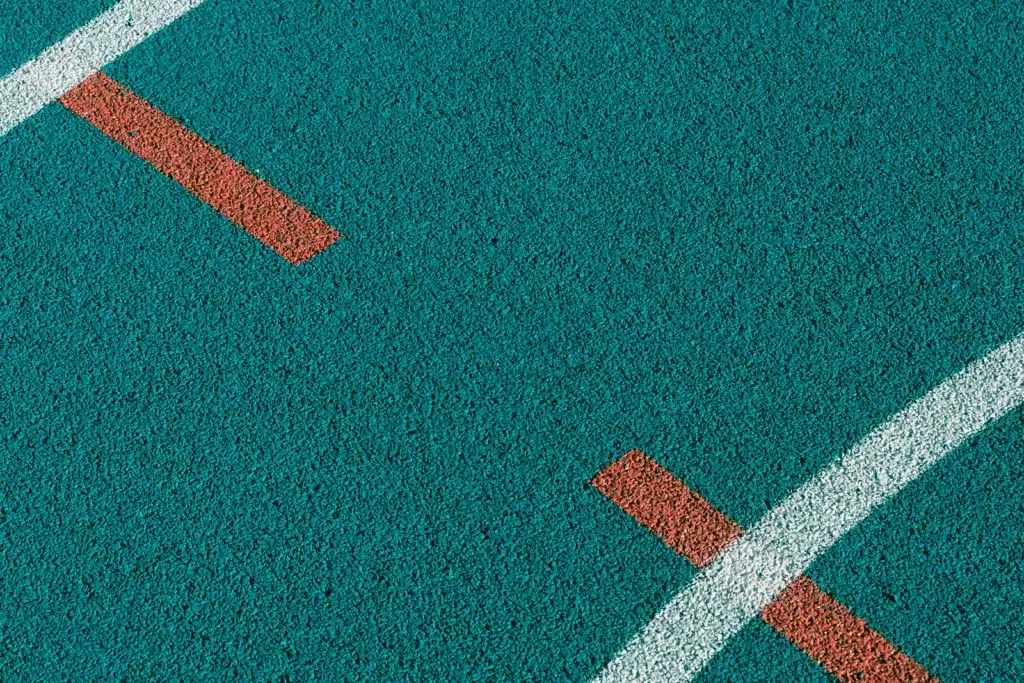
The benefits of synthetic exercise floor
Synthetic exercise floors get attraction because they overcome almost all obligations that accompany wood. Let’s dissect in detail the main benefits.
Long -term durability and performance
Synthetic floors are built for heavy use. Whether you are in a school gym that sees hundreds of children -playing every day or community center that requires floors that can take sports, events, and even equipment movements, synthetic is a surviving way. They do not scratch, curve, or take the type of wear that will soon damage the surface of the wood.
Flexibility in sports and events
Another advantage is the fabrication. Synthetic sports floors can be adjusted to accommodate many activities such as basketball, volleyball, badminton, futsal, and handball. They are both in force at the health club and community center. Unlike Wood, they can be adjusted to the court outdoors as well. For centers that have events other than sports that they have to accommodate, synthetic floors can accommodate chairs, stages, or crowd standing with a few damaged opportunities.
Easy Effectiveness and Maintenance Effectiveness
The important advantage is the price. Although installing synthetic sports floors is more economical than wood in the initial stages, the advantage of the actual cost in the long run. Wooden floors will require repetitive improvements and re -coating. Synthetic surfaces are only cleaned. No sanding or re -application of sealer. Long -term cost benefits are famous.
Athlete’s safety and comfort
Safety is always the most important. What synthetic sports floor is consistent is the same shock absorption, slip resistance, and stability. Wood can change the way it feels with changes in humidity level, but what is provided by synthetic surfaces is the same performance at a certain time. The injury incidence is significantly reduced, and athletes always have the confidence to play and practice.
When you combine durability, flexibility, cost effectiveness, and safety, you can understand why wise alternatives in the new building are synthetic sports floors. However, beyond the benefits, what drives the world shift to synthetic alternatives?

Why more facilities to choose synthetic sports floors
Throughout the world, school officials and building managers embrace a sense of synthetic. Trends are more than just trends. Asia, Europe, North America-Register continues-more gym centers and community centers choose to add new synthetic floors above the original old wood.
The reason is practical. The budget is tighter than before, so the ability to choose a cheaper surface in the long run is tempting. The use of facilities is also more diverse. Today’s gym is rarely devoted to sports. Gym is sometimes a gathering place for community events, examinations, or even concerts. Synthetic exercise floors can adapt to transfer of use without possible permanent physical losses.
Players also like change. They like consistent surfaces and lower injury opportunities. Schools such as low maintenance, and community managers appreciate that they do not have to often close the building because of floor repair. In short, transitions around the world to synthetic options are driven by the same attributes that dominate in any comparison with wood.
It leads to another question. If the floor produced is a good choice, how can you be sure you get the correct type and supplier for your factory?
How to choose the ideal synthetic sports floor for your arena
Choosing the appropriate synthetic sports floor requires more than choosing wood. Each stadium varies.
Start with the main activity or sport that will be played. Gym centered on basketball may want some types of vigilance with the ball. The school gym that will be distributed with many other activities will want flexibility. If the floor is outdoors, the top problem is weather resistance. Costs are also important.
Synthetic choices come in many ranges, but even at the highest end, they will be cheaper in the long run compared to wood.
Another factor that needs to be considered is certification. High -quality synthetic sports floors must meet international standards for environmental safety, performance and responsibility. This ensures not only that athletes play on a safe surface but also that your investment will survive.
This is where VMkon Sport can make a difference. As a producer based in China, VMKon offers various synthetic solutions designed for indoor and outdoor use. With global clients who have trusted their products, VMKon combines sophisticated production at competitive prices. Facilities benefit from working directly with producers, which means lower costs and reliable delivery.
With so many choices and benefits, there is a little doubt that synthetic sports floors can be adjusted to meet the requirements of almost all facilities. So how do we take all of that and choose two types of floors?
Conclusion
Wooden floors will always be part of the Annals of Sport. The light, luxury, and their traditions are undeniable. However, for most contemporary centers that have costs, endurance, safety, and flexibility at the top of the mind, wood is no longer a solution. Synthetic sports floors provide the performance requested by athletes with additional benefits from reducing costs and maintenance of maintenance. This product can adapt to the application of dual use, both inside and outdoors, while providing savings in dollars year after year.
If you build a new building or think of increasing the current one, synthetic sports floors must be at the peak of your priority. VMKon Sport is determined to see you get the right solution for you. We recognize that every project is one of its types, and we are there to collaborate with you in designing the right floor for your building.
Contact us now And find your facilities so that we can explain how the VMKON synthetic sports floor can provide long -term benefits. We can help you in building an environment where athletes will prosper, the community will gather, and your investment will produce a return for decades.
FAQ
T1: Is synthetic exercise floor better than wood?
Yes, it is more economical, durable, and more maintained than wood.
T2: Can synthetic exercise floors be used outdoors?
Yes, there is a lot you can use indoors or outdoors.
T3: How long is the synthetic exercise floor lasting?
If maintained properly, it can last up to 15-20 years or more.
News
Berita
News Flash
Blog
Technology
Sports
Sport
Football
Tips
Finance
Berita Terkini
Berita Terbaru
Berita Kekinian
News
Berita Terkini
Olahraga
Pasang Internet Myrepublic
Jasa Import China
Jasa Import Door to Door


